Parent–Child Communication Guide
Helping children understand and be understood through age-aware language, listening and calm adult leadership.
Ask: Is the language right for this child's age?
Open this guide →Field guide 05
Create a home where warmth and structure work together—and repair is part of family life.
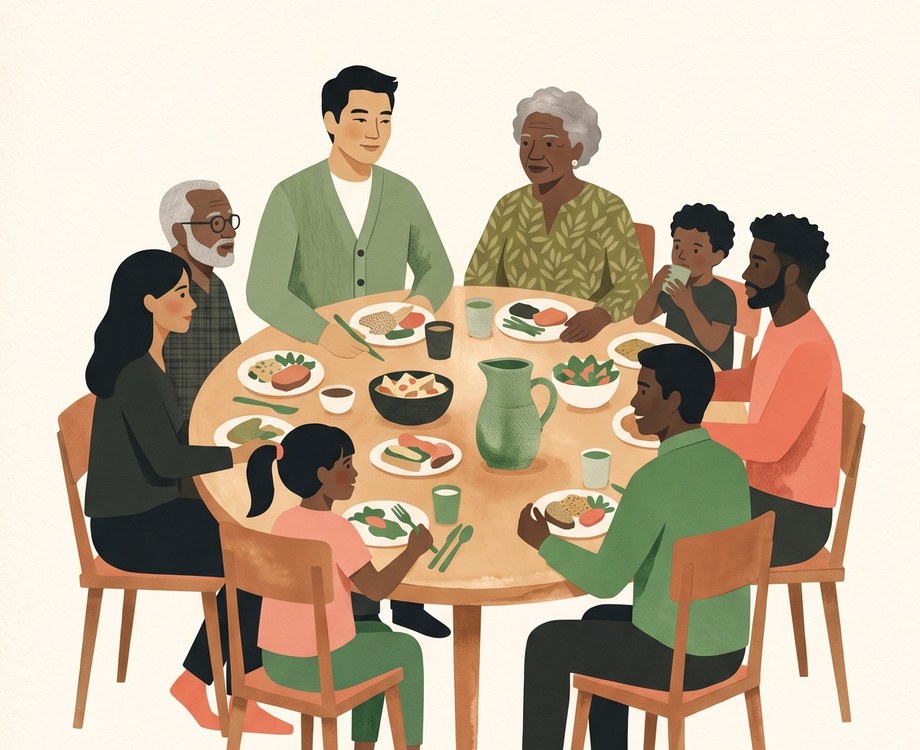 05
05Families thrive when expectations are clear, feelings can be named and adults model the behavior they hope children will learn.
This cluster translates relationship skills into family systems, parenting and child development. It emphasizes calm adult leadership, age-aware expectations, connection, structure and repair after inevitable mistakes.
Begin with the guide closest to the pattern you can observe. Choose one practice, test it in a safe moment and review what actually changed.
When the issue crosses into another part of relationship health, continue with Understanding Them, which can help you see the person before the pattern: a practical library for empathy, context and curiosity. You can also use Marriage, Dating & Commitment when that is closer to the question you need to solve.
Family library
Each guide answers a distinct question, defines its key terms and ends with a practice you can use in a real conversation.
Help children feel heard while keeping adult leadership, clear expectations and age-aware limits.
11 MIN ↗02FamilyUnderstanding Your Child’s BehaviorLook beneath behavior for skills, stress, development and context—then respond with structure.
11 MIN ↗03FamilyHealthy Family DynamicsMake roles, rules, decision-making and emotional patterns visible enough to improve them.
11 MIN ↗04FamilyBlended Families & Step-RelationshipsBuild belonging gradually while respecting grief, loyalty bonds and different household histories.
11 MIN ↗05FamilyParenting With Empathy & StructureCombine warmth, predictable limits and repair so children can feel safe and learn responsibility.
11 MIN ↗06FamilyCoaching Siblings Through ConflictMove from refereeing every dispute to teaching safety, perspective and problem-solving.
11 MIN ↗07FamilyHow to Run a Useful Family MeetingA light, repeatable format for appreciation, logistics, problems and shared decisions.
11 MIN ↗Choose a route
These guides are connected, but they are not interchangeable. Use the question that most closely matches the decision or pattern in front of you.
Helping children understand and be understood through age-aware language, listening and calm adult leadership.
Ask: Is the language right for this child's age?
Open this guide →Understanding behavior through development, stress, skill, environment and consequences before choosing a response.
Ask: When and where does this happen?
Open this guide →Making recurring roles, alliances, rules and flows of responsibility visible so the family system can change.
Ask: Who absorbs tension in this family?
Open this guide →Building a new family culture gradually while respecting existing bonds, grief, loyalty and different household histories.
Ask: Is anyone being rushed into a role?
Open this guide →Combining warmth, predictable limits and skill teaching so children experience both connection and structure.
Ask: Is the limit clear before it is tested?
Open this guide →Coaching children to stop harm, tell separate stories, solve the current problem and build conflict skills.
Ask: Does anyone need safety before discussion?
Open this guide →Using a brief recurring meeting for appreciation, schedules, shared problems and age-appropriate decisions.
Ask: Can every person contribute safely?
Open this guide →Cluster vocabulary
A shared word helps only when people mean roughly the same thing by it. These definitions are starting points, not labels for another person.
The working model
Give attention before correction and make room for each person's voice.
Keep limits few, clear, age-aware and consistent.
Show calm problem-solving, full apologies and respectful disagreement.
Family decision table
| If you notice | Try first | Avoid |
|---|---|---|
| A child struggles at a transition | Check stress, skill and environment | Calling the child manipulative |
| The same family tension recruits a third person | Return the issue to its owners | Making one person the family problem |
| House rules keep changing | Choose a few clear, age-aware limits | Using shame to create compliance |
Family FAQ
No. You can acknowledge a child's feeling and keep a safety or family limit. Warmth and structure work together.
Behavior may be shaped by development, stress, skill gaps, triggers and what happens afterward. Track the sequence before choosing a response.
A short recurring family meeting can handle appreciation, logistics and one solvable issue. Larger adult conflicts should be scheduled separately.